From plant to port: heavy logistics on schedule
Part 3 of the blog series: When a factory goes on a trip
With ongoing container logistics, the next decisive phase of the project begins: the transportation of plant components from the plant to the port.
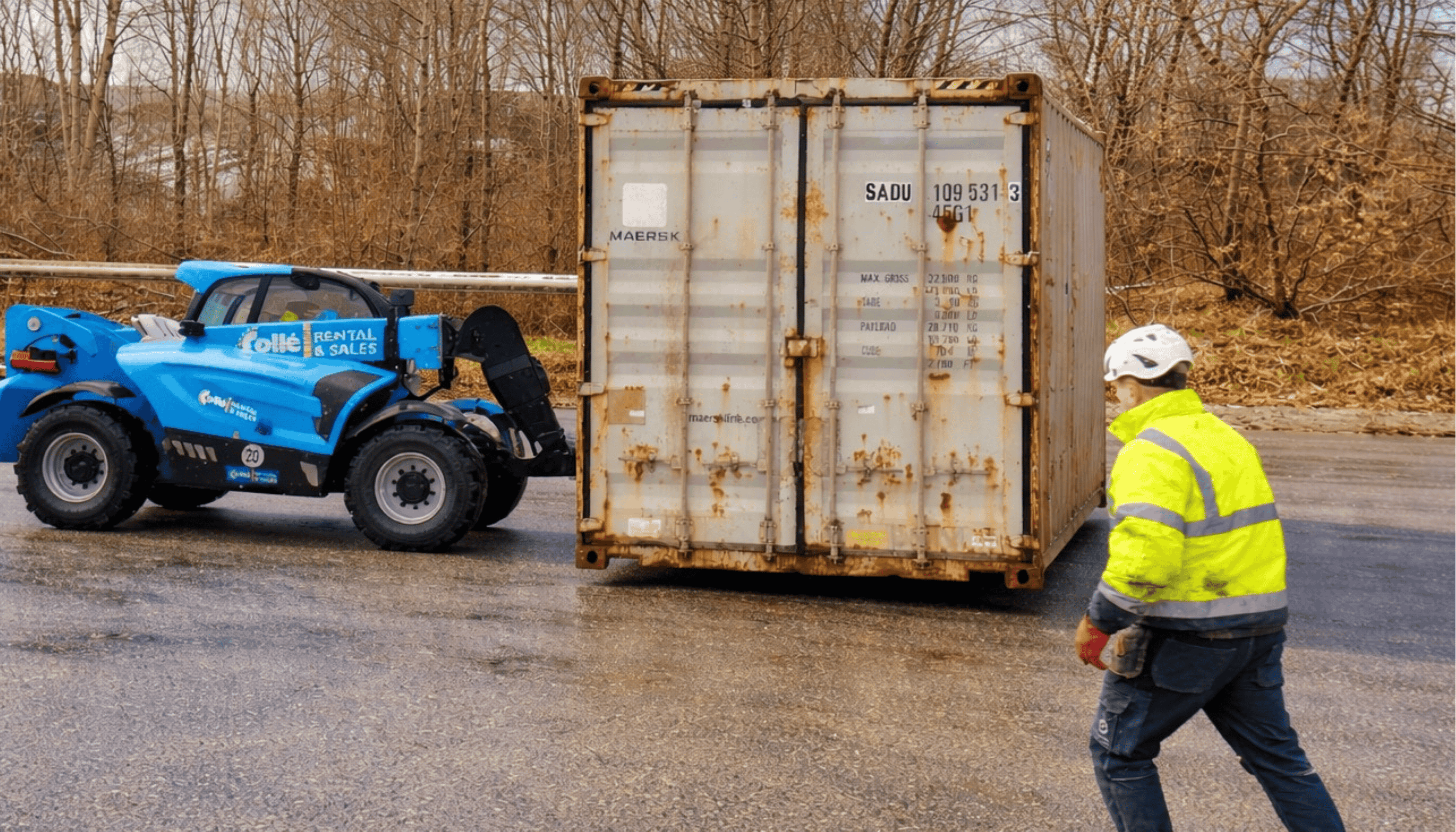
What was previously planned, organized and prepared is now visible. The first containers leave the factory premises — and with them, a continuous flow of material begins, which must function stably over several days.
Regular traffic instead of individual transport
The transports are not carried out individually, but in so-called intermittent mode. Containers are moved in fixed processes — from the plant to the port and back.
The principle:
- Delivery of empty containers
- Loading at the factory
- Transportation to port
- Repatriation for the next load
This cycle is repeated continuously and ensures that dismantling and transport can take place in parallel.
The advantage: Downtimes are avoided and capacities are optimally used.
Coordination in a confined space
The challenge lies not only on the road, but above all in the interaction of all parties involved.
Running in parallel at the factory:
- Dismantling the systems
- Packaging of components
- Container loading
At the same time, trucks must arrive precisely so as not to cause waiting times. Deliveries that are too early block areas; late deliveries lead to delays in the entire process.
Logistics is becoming a precise coordination task here.
Between plant, interim storage and port
A multi-stage transport chain is being created between the production site and the port.
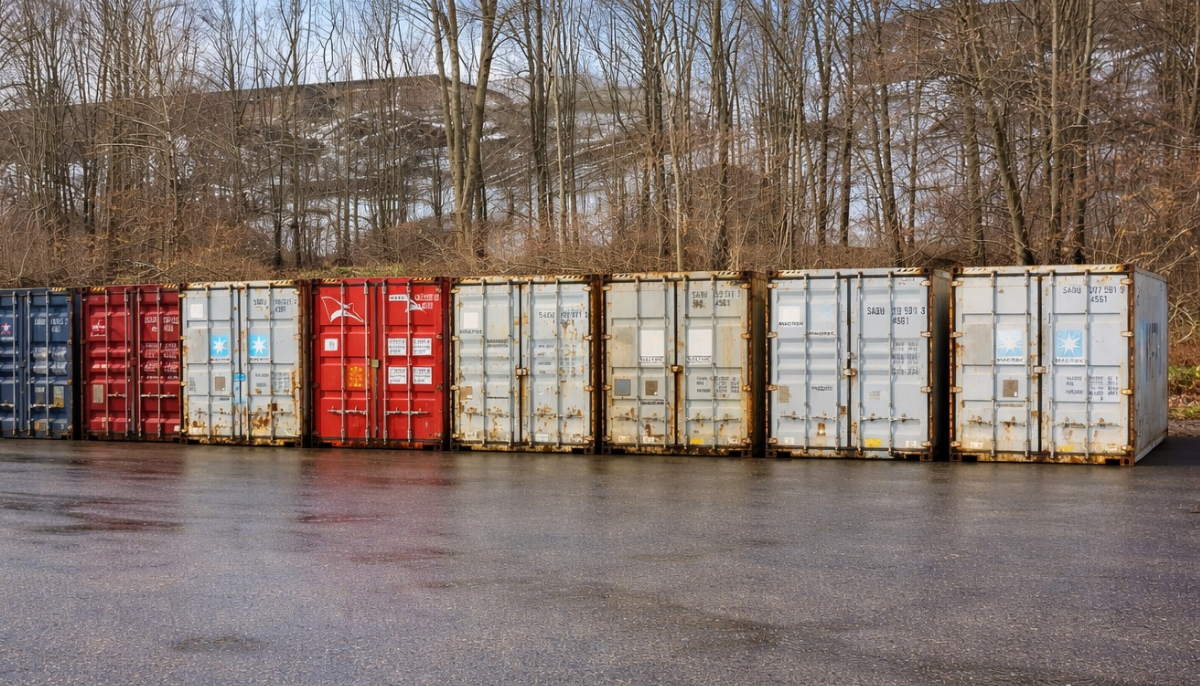
Containers move between:
- Werkgelände
- temporary storage space
- Port facilities
Each of these points has its own handling, time frame and capacity requirements. Timing is particularly important in ports. Delivery and transhipment slots must be met, as they are directly linked to the departure times of the ships.
When every step counts
This phase shows how sensitive large logistics projects are. Small deviations can quickly have an impact on the entire process.
Typical challenges:
- Traffic delays
- limited loading areas
- parallel work processes
- tight time windows in port
Permanent coordination between all parties involved is therefore crucial — from the driver to the warehouse to project management.
Logistics as choreography
The process is reminiscent of industrial choreography:
- Machines are dismantled
- Components are packaged
- Containers are loaded
- Trucks transport them to the port
Each step leads to the next. The material flow only remains stable when all processes run synchronously. Transportation from factory to port is much more than just moving goods. It is the connecting element between dismantling and international shipping. This is where it is decided whether planning and reality fit together — and whether a project of this scale can be implemented efficiently.
With every container that leaves the factory, the project is approaching its next milestone: international shipping. But the last part of the series shows exactly where the journey is headed and the story behind the system.


The quality of a logistics concept only becomes apparent during ongoing transport. Timed processes, precise coordination and flexible response to disruptions are crucial for implementing complex projects stably and efficiently.